
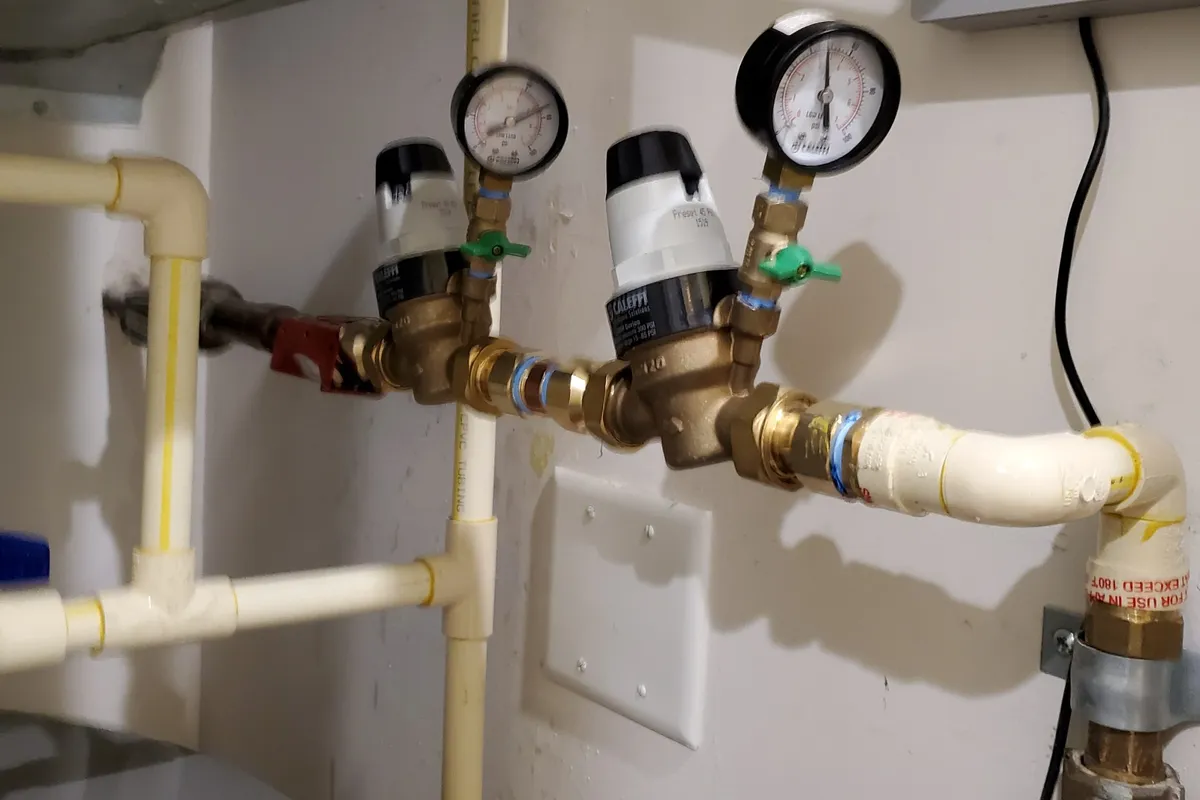
Backflow Preventer Testing for Tampa Businesses: What to Prepare
A backflow assembly helps protect drinking water where a cross connection could reverse flow; the required testing schedule depends on the utility and device. If you are dealing with backflow prevention in Tampa, start by checking what changes when another fixture runs. This guide walks through safe observations, likely causes, and the point at which a licensed plumber should take over. Turbo Plumbing serves Tampa and Tampa. A clear description of the symptom helps avoid a repair based on guesswork.
Quick answer: backflow testing Tampa commercial
A backflow assembly helps protect drinking water where a cross connection could reverse flow; the required testing schedule depends on the utility and device. Locate the assembly, note the model and last test record, and identify the utility or authority that requested testing. A qualified tester can check the assembly, document results, and explain whether repair or replacement is needed under the applicable local program. The right fix depends on where the fault actually starts, so compare the affected fixture with the rest of the system before choosing a part or service.
Tampa backflow prevention plumbing: at a glance
What to check | Why it matters |
|---|---|
First observation | Locate the assembly, note the model and last test record, and identify the utility or authority that requested testing. |
Safe first step | Keep the device accessible and avoid changing valves or removing tags before the tester arrives. |
Call a plumber | A qualified tester can check the assembly, document results, and explain whether repair or replacement is needed under the applicable local program. |
Backflow plumbing: what the assembly does
A backflow preventer is a specific protective assembly, not just a check valve in an arbitrary pipe. It helps keep water from flowing backward into a drinking-water system when pressure changes or a cross connection exists. The utility or local authority determines which assemblies require periodic testing. Tampa businesses should follow the notice and device requirements that actually apply to their property rather than assume one universal annual rule.
Start with the utility notice
Start with the notice from the water provider. It may identify a deadline, assembly type, account number, and a form or submission portal. Locate the device and read its model and serial number if the tag is accessible. A restaurant, medical office, irrigation system, or industrial tenant may have different connections. The test needs to match the actual assembly and service.
Prepare access for the tester
Clear access before the tester arrives. Do not store materials around the valves or cover a test cock. If the assembly is in a pit or difficult location, tell the provider when scheduling so the right equipment and access plan can be arranged. Avoid operating the assembly yourself. An incorrect valve position can interrupt service or compromise protection.
Plan for a water interruption
Ask whether the test will require a water interruption and how long it is expected to last. A commercial kitchen or customer-facing facility may need to plan around that interruption. Identify equipment that depends on the line and a staff contact who can provide access. Scheduling is easier when both the tester and property manager know what cannot be turned off during business hours.
Understand a failed result
Testing checks whether the assembly performs within the criteria for its type. A failed result does not automatically mean the entire unit must be replaced. A qualified professional may be able to repair an approved assembly and retest it, depending on parts, condition, and local requirements. Ask for the actual readings and a written explanation of the failed component.
Keep and submit the test report
Keep a copy of the test report and proof of any repair. Confirm who submits results to the utility; some programs expect the tester to file them, while others place responsibility on the customer. Do not assume a passed verbal test closes the notice. Follow up until the record shows the property is compliant with the applicable request.
Inventory assemblies after a move
If you recently took over a property, identify every assembly rather than relying on one invoice in the prior tenant’s files. Irrigation and domestic water connections can be separate. A site walkthrough can reconcile tags, locations, and notices. Labeling and a simple maintenance calendar make the next testing cycle less disruptive.
Never bypass a damaged device
A leaking or damaged assembly should not be bypassed to restore pressure. Report the exact device location and symptoms. The plumbing design and utility rules determine the proper repair. Ask how the work will affect water service, whether an inspection is required, and what retesting must occur before the system returns to normal operation.
Plan a compliant new installation
For a new installation or major tenant change, discuss the intended water uses and any cross connections before selecting equipment. Backflow protection has to fit the hazard classification and local program. A generic device chosen by size alone may fail review. A qualified plumber can coordinate the installation requirements and access clearances.
Arrange Tampa backflow testing
Turbo Plumbing lists backflow testing and installation among its services for Tampa businesses. Provide the notice, device information, and deadline when requesting an appointment. This helps the team confirm the scope and testing arrangements. The finished job should leave you with a clear result, repair record if needed, and a path for submitting the documentation.
A plumbing detail that changes the diagnosis
If the testing notice lists a device you cannot find, do not ignore the deadline or guess that it was removed. Contact the utility or property owner for the recorded location and installation history. A device may sit in a meter room, exterior enclosure, or irrigation area. Where tenants share a building, determine who controls access and who receives the test results. Keeping one contact for the utility, tester, and property manager reduces missed appointments. The practical goal is to verify the correct assembly and submit an accepted report, not merely to arrange a visit to the property.
Questions to ask your plumber before work begins
Ask what was tested, where the fault is located, and which observations support the recommendation. Compare the repair scope with a replacement option only when the condition of the backflow prevention makes that choice relevant. Request the expected shutoff time, any access or finish work, and the test that will confirm normal operation. The explanation should connect to the symptoms you reported in Tampa, not a standard package applied to every home.
Keep a useful plumbing repair record
Photograph visible backflow prevention symptoms only when safe. Note the first date, affected fixtures, and whether the problem occurs continuously or under specific conditions. Keep the written diagnosis and parts or model information after service. If the issue returns, those records allow the next technician to compare the same condition rather than restart from a vague description. A clear before-and-after test is the best way to tell whether the work solved the original complaint.
Frequently asked plumbing questions
Can I keep using the affected fixture?
A qualified tester can check the assembly, document results, and explain whether repair or replacement is needed under the applicable local program. Stop using it if water escapes, wastewater backs up, or a safety hazard is present.
Will the whole system need replacement?
No decision follows from the symptom alone. Ask a plumber to show the failed part or damaged section and explain a durable repair before comparing larger work.
Does Turbo Plumbing serve Tampa?
Yes. Tampa appears on the company service areas page. Provide your ZIP code to confirm appointment availability.
Explore Turbo Plumbing’s backflow testing and installation for service details and options relevant to this issue.
Request backflow testing/installation in Tampa
For help with backflow prevention, call Turbo Plumbing at (813) 404-8137 or request service online. Describe the affected fixture, recent changes, and any active water damage. Fast, friendly, and fully licensed service starts with an accurate diagnosis. The team serves Tampa and Tampa, with scheduling based on your address and the nature of the issue.
Explore Backflow Testing/Installation | Plumbing in Tampa | Request service
Need Plumbing Help in Tampa Bay?
Fast, friendly, and fully licensed. Turbo Plumbing is just a call or click away.