
How Do I Know If I Need to Repipe My Home? Tampa Homeowner Guide | Turbo Plumbing
If you are dealing with low water pressure, "rusty" water, or a cycle of never-ending leaks, you are likely facing a systemic failure. For many homeowners in Hillsborough and Pinellas Counties, a patch repair is no longer enough.
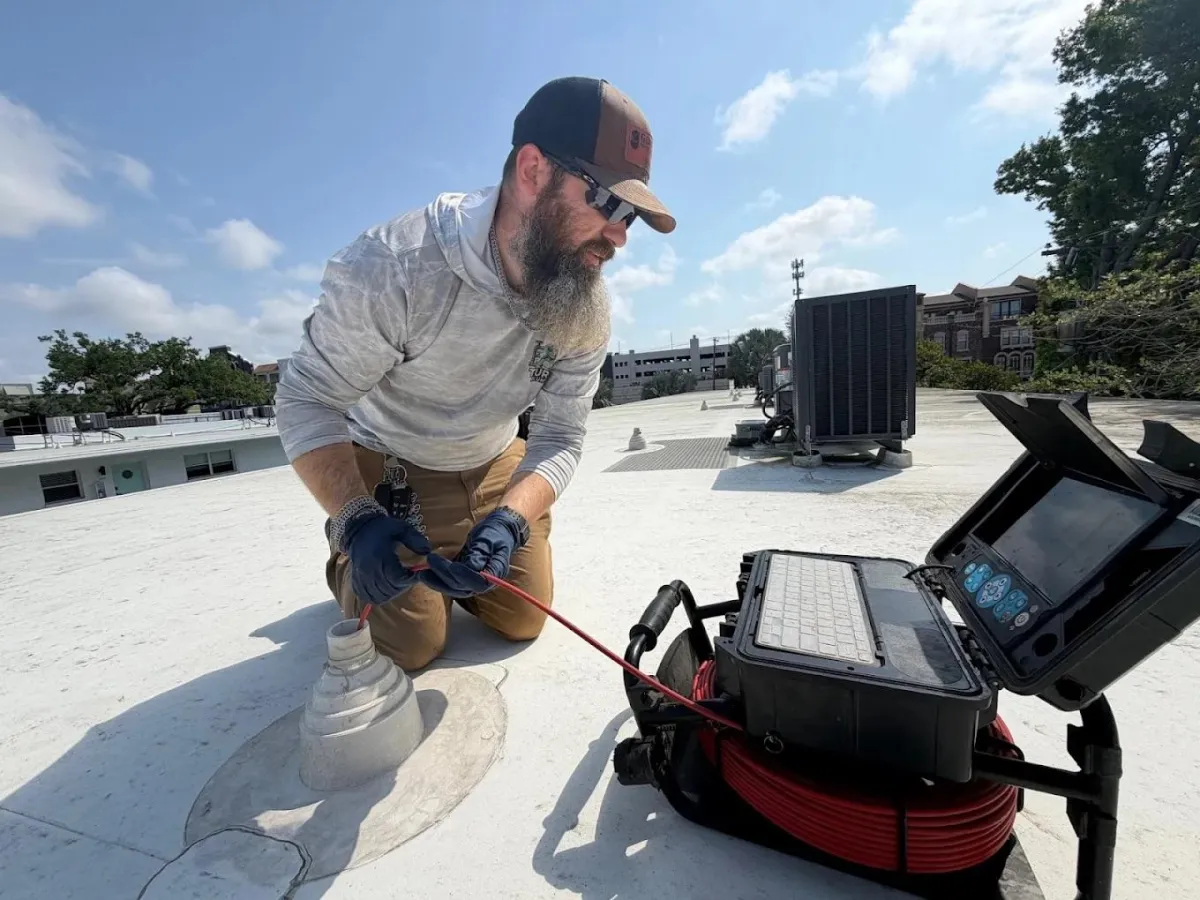
At Turbo Plumbing Tampa, we help residents determine if it's time for a full system upgrade. Understanding the signs of pipe decay can save you thousands in avoided water damage and mold remediation.
Quick Answer: When to Repipe Your Tampa Home
You likely need to repipe if your home was built before 1990 and still uses galvanized steel or polybutylene pipes. Chronic low water pressure and discolored water are "red flags" that your plumbing is corroding from the inside out. Modern whole-home repiping using PEX or copper is the only permanent solution to restore your home’s safety and value.
Pipe Material Comparison: Should You Replace or Repair?
1. Chronic Low Water Pressure Throughout the House
If you’ve noticed your shower pressure dropping in Largo or your kitchen faucet barely trickling in Clearwater, the culprit is often internal "scaling."
The Cause: In older galvanized pipes, rust builds up on the inside walls, narrowing the diameter of the pipe.
The Fix: No amount of drain cleaning can fix this. The pipes must be replaced to restore full flow to your fixtures.
2. Discolored or "Rusty" Water
Do you see brown or yellow water when you first turn on the tub? This is a clear sign that your metal pipes are oxidizing.
Health Risks: While not always toxic, rusty water indicates that the structural integrity of your plumbing is compromised.
Appliance Damage: This sediment can settle in your dishwasher and washing machine, leading to expensive appliance repairs.
3. The "Polybutylene" Problem in Florida Homes
If your home was built between the late 1970s and mid-1990s in neighborhoods like Brandon or Wesley Chapel, you might have polybutylene piping (usually grey plastic).
The Danger: These pipes are known for sudden, catastrophic failure without warning. Most insurance companies in Florida will now refuse to cover water damage claims if they know polybutylene is present.
Action: If you have grey plastic pipes, a professional plumbing inspection is an absolute necessity.
4. Frequent Slab Leaks and Pinhole Failures
Are you calling a plumber every few months for a new leak? Patching a single leak is a repair; patching three leaks in a year is a sign of a failing system.
The Context: Florida’s "hard water" is highly corrosive to older copper. This leads to "pinhole leaks" that often occur under your concrete foundation.
The ROI: Repiping is often more cost-effective than paying for multiple slab leak repairs in Tampa over a two-year period.
5. Visible Corrosion on Exposed Pipes
Check your utility room or garage. If you see white "crusty" buildup (calcification) or green stains on your copper joints, your pipes are "weeping." These are slow leaks that will eventually become major bursts.
6. The Benefits of PEX vs. Copper Repiping
When we repipe a home in the Tampa Bay area, we typically recommend PEX (Cross-linked Polyethylene).
Flexibility: PEX can be snaked through walls with minimal drywall damage.
Corrosion Resistance: PEX is immune to the hard water and high-acidity soil found in St. Pete and Riverview.
Cost-Effective: PEX installation is faster and less labor-intensive than traditional copper.
7. Increasing Your Home’s Resale Value
In the current Florida real estate market, "updated plumbing" is a major selling point. Prospective buyers (and their inspectors) look for PEX or updated copper. A repiped home sells faster and for a higher price because the buyer doesn't have to worry about a $10,000 hidden expense after closing.
8. The Long-Term ROI: Why Repiping is an Investment, Not an Expense
Many homeowners in Clearwater and St. Pete hesitate at the cost of a full repipe, but the financial "burn rate" of maintaining a failing system is significantly higher. When you invest in whole-home repiping in Tampa, you aren't just swapping pipes; you are stabilizing your home's most critical infrastructure.
Eliminating the "Insurance Crisis" in Florida
In the current Florida insurance market, carriers are becoming increasingly strict about the age and material of your plumbing.
Polybutylene Risks: If your Largo home still has grey polybutylene pipes, many insurers will outright deny coverage or exclude water damage from your policy.
The 20-Year Rule: Some carriers now require a 4-point inspection for homes over 20 years old. If they see galvanized steel or aging copper, your premiums can skyrocket.
The Solution: A full repipe with PEX-a piping is a massive signal to insurance adjusters that your home is a "low-risk" property, often leading to lower annual premiums and easier policy renewals.
9. PEX vs. Copper: What is Best for Tampa’s Hard Water?
When we perform a residential repipe in Hillsborough County, the debate usually comes down to PEX vs. Copper.
The Case for PEX (Cross-linked Polyethylene)
PEX has become the industry standard for modern plumbing in Tampa Bay for several reasons:
Scale Resistance: Florida’s hard water contains high levels of calcium. While copper pipes develop "pitted" surfaces where minerals can snag and build up, PEX is chemically inert. This means you will never deal with internal scaling or narrowed pipe diameters.
Fewer Fittings: PEX is flexible. We can run a single continuous line from a manifold system directly to your shower or sink. Fewer joints mean fewer potential leak points.
Expansion and Contraction: Florida’s temperature swings and soil shifting put stress on rigid pipes. PEX can expand and contract without cracking, making it the most durable choice for the local environment.
The Case for Copper
For homeowners in historic South Tampa who prefer traditional materials, we offer high-grade Type L Copper. Copper is naturally biostatic, meaning it inhibits the growth of bacteria, and it is highly resistant to UV damage if any sections of your plumbing are exposed to the Florida sun.
10. Restoring Your Home’s Water Quality and Pressure
If you’ve been living with low water pressure throughout the house, you’ve likely forgotten what a high-pressure shower feels like.
Restored Flow: Over time, galvanized pipes become choked with rust, reducing a 3/4-inch pipe to the size of a drinking straw. A repipe restores the full GPM (Gallons Per Minute) capacity of your home.
Clean Drinking Water: Old pipes act as a filter in reverse—they add lead, rust, and metallic tastes to your water. By installing a new system, you are ensuring that the water coming from the Tampa Water Department stays as clean as the day it was treated.
11. Minimal Disruptions: The Turbo Plumbing Process
A common myth is that a repipe requires moving out of your house for a month. At Turbo Plumbing Tampa, we’ve perfected a "surgical" approach to non-invasive repiping:
Day 1: Mapping and initial small-access cuts.
Day 2-3: Pulling new lines and installing the manifold system.
Day 4: Pressure testing and final inspections. We ensure that your water is restored every evening, so your family can still shower and cook while the project is underway.
Frequently Asked Questions
Can I live in my home during a repipe?
Yes. At Turbo Plumbing Tampa, we ensure your water is back on every evening. Most residential repipes in Clearwater and Largo take only 2–4 days to complete.
Does a repipe require tearing down my walls?
Not with modern PEX. We use "small-access" cuts that are easily patched. We respect your home and keep the mess to a minimum.
How much does repiping cost in Tampa?
Costs depend on the square footage and number of bathrooms. However, it is an investment that pays for itself by eliminating emergency repair bills and lowering insurance premiums.
How Turbo Plumbing Can Help
We are the experts in Whole-Home Repiping across the Tampa Bay area.
Full System Inspections: We tell you exactly what you have and what you need.
Licensed & Insured: Peace of mind for your biggest investment.
Service Areas: Tampa, Largo, Clearwater, St. Pete, Brandon, and beyond.